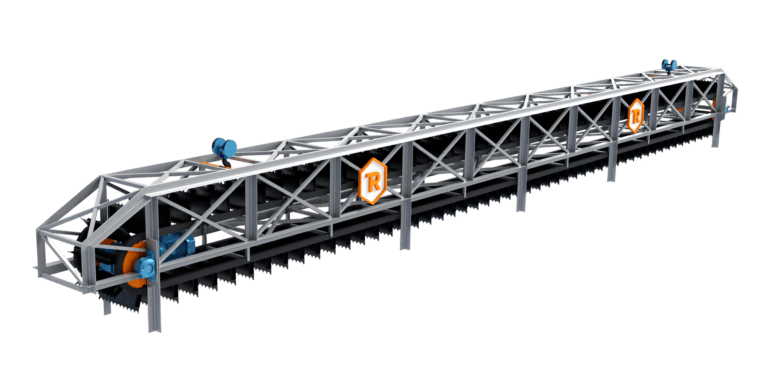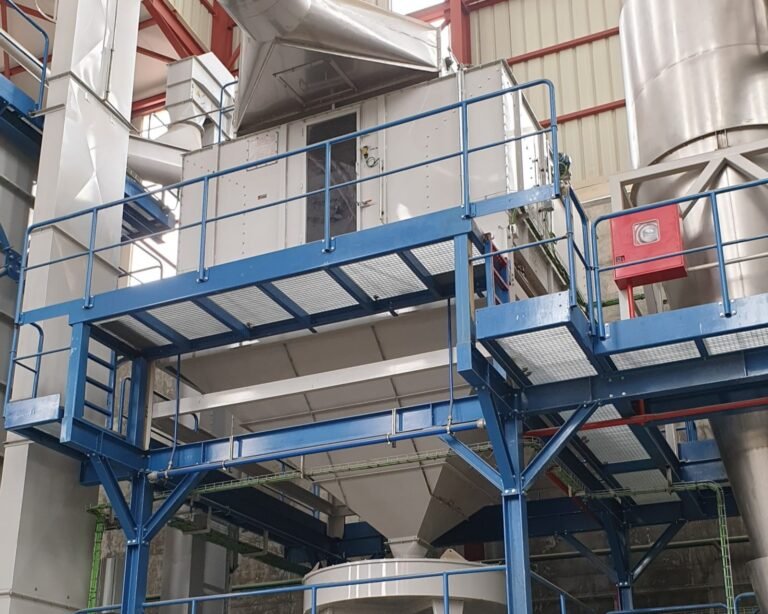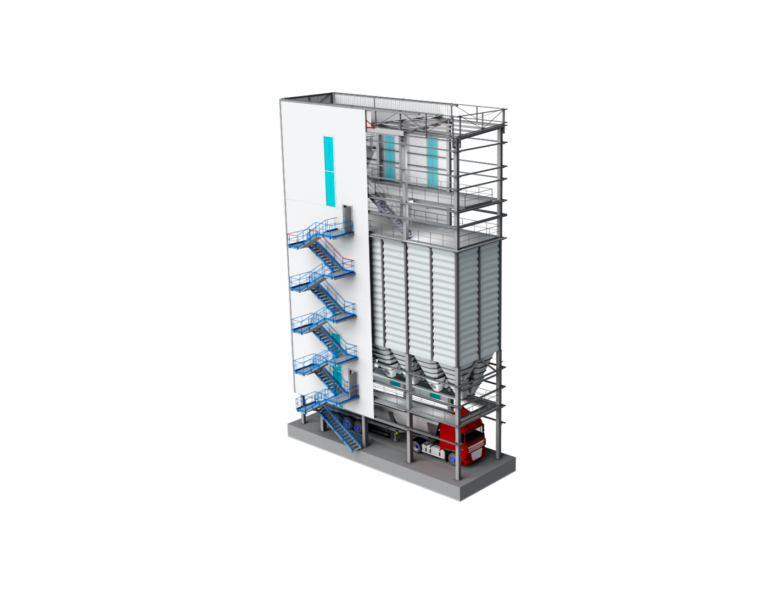

The poultry industry has undergone a radical change since the 1980s from a rudimentary activity to a highly technological profession. As has been well documented by the Dr. Amir H. Nilipour Throughout his extensive career at Empresas Melo - an organization with which Rosal has had the honor of collaborating closely in the evolution of its processes - this progress would not have been possible without a parallel transformation in the feed mills. The ability to translate the genetic requirements of poultry into a precise physical ration is, today, the determining factor of profitability in animal protein production.
From Vertical Mixing to Horizontal Homogeneity
In the early stages of industrialization, feed plants relied mostly on vertical mixers. Although functional for small-scale operations, these systems had critical limitations in terms of cycle speed and, above all, mixing homogeneity. With the discovery of specific requirements for micro-ingredients, vitamins and minerals, the industry was forced to migrate to the vertical mixer. horizontal mixing high efficiency.
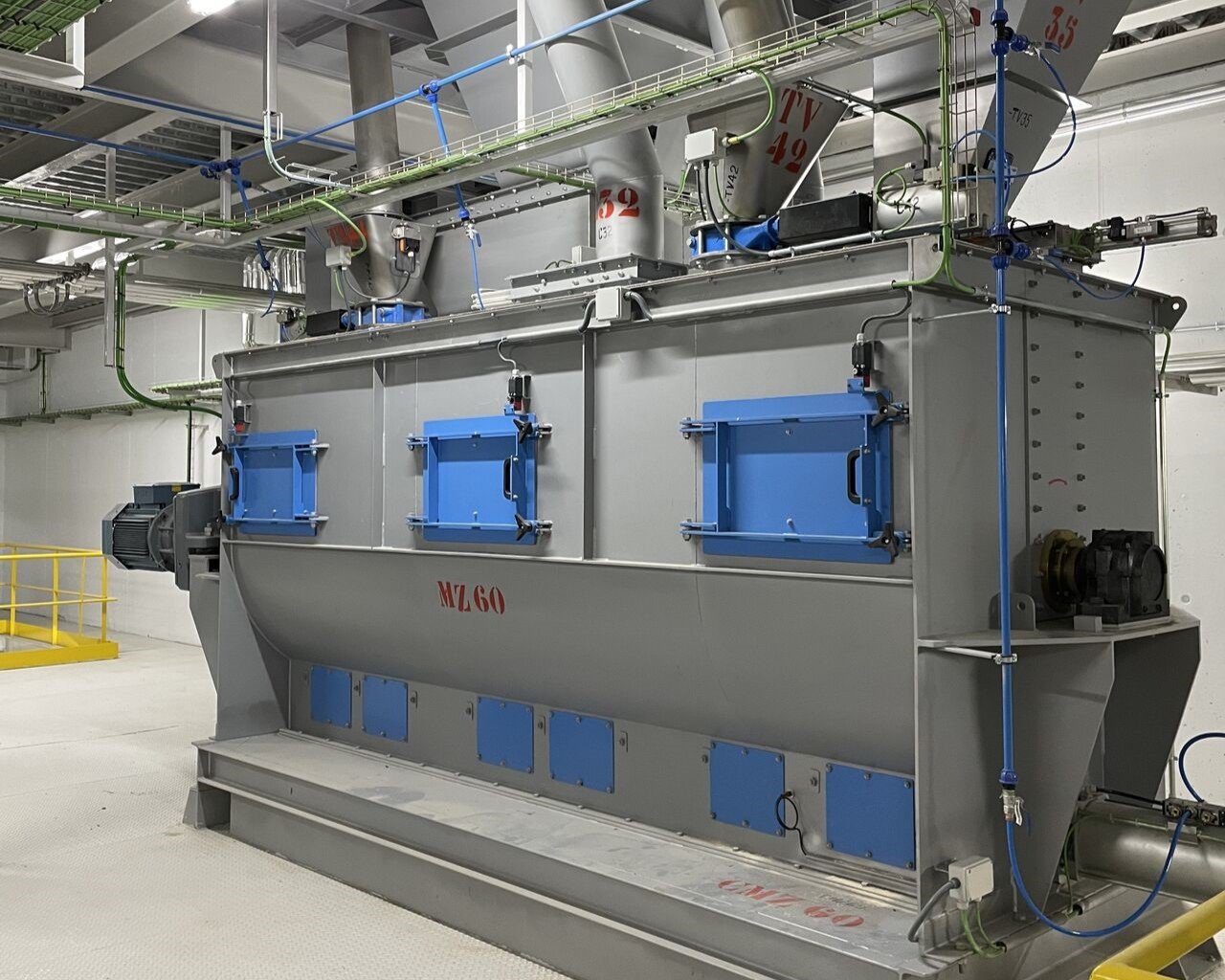
This transition drastically reduced processing times, but its greatest contribution was the ability to ensure that every gram of feed contains the exact proportion of the formula. Today, the engineering of this equipment allows the integration of liquids and additives with such precision that segregation is minimized, a vital aspect for uniform flock development, especially in the early stages of rearing where feed intake is low but nutritionally dense.
Ingredient Dosage and Precision Nutrition
The dosing process has evolved from a task based on manual weighing and rudimentary calculations to a fully automated and digitized system. In the past, formulations were made with basic calculators, limited to controlling crude protein levels. Today, technology allows for a dosage connected to optimization software in the cloud.
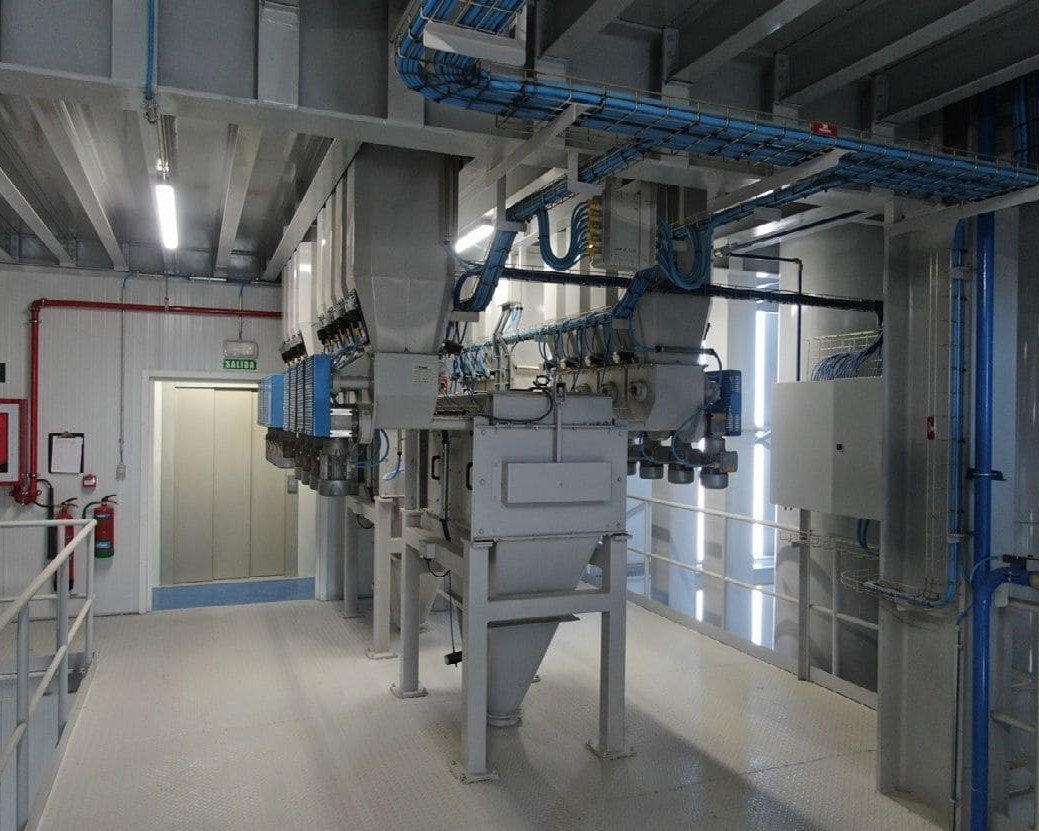
This infrastructure allows the integration of NIR (Near Infrared) technology, which analyzes the nutritional composition of raw materials in real time. By detecting variations in the quality of the corn or soybeans before they enter the weighing line, the system can automatically adjust the dosage. This level of control ensures that the factory not only produces volume, but delivers a precision diet tailored to the specific age and genetics of the bird, optimizing every penny invested in raw materials.
The Era of Peletization
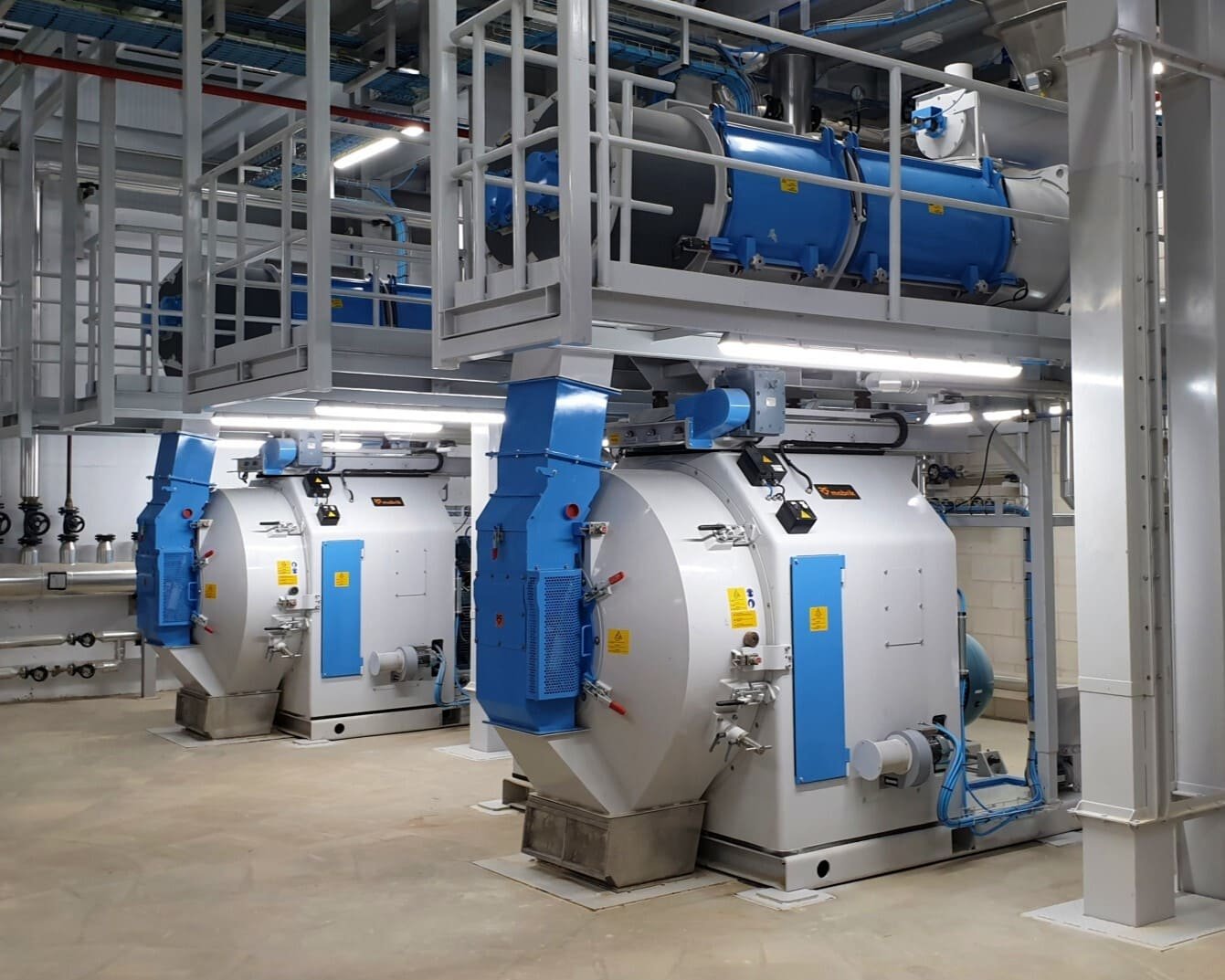
One of the most relevant milestones mentioned by experts such as Dr. Nilipour is the definitive abandonment of meal diets in favor of pellets and crumble. Modern genetic lines, with accelerated growth potential, require an energy density that can only be achieved by heat treatment and mechanical compression. Pelleting not only improves palatability and facilitates consumption, but also reduces the bird's energy expenditure when ingesting the feed, transforming that energy directly into weight gain.
The design of the pellet mills and its conditioning systems have evolved to ensure the durability of the pellet (PDI - Pellet Durability Index). A pellet broken or converted into fines during transport represents a loss of feed efficiency. Therefore, modern engineering focuses on achieving a perfect balance between starch gelatinization and the physical integrity of the grain, ensuring that the nutritional effort made in the plant arrives intact at the trough.
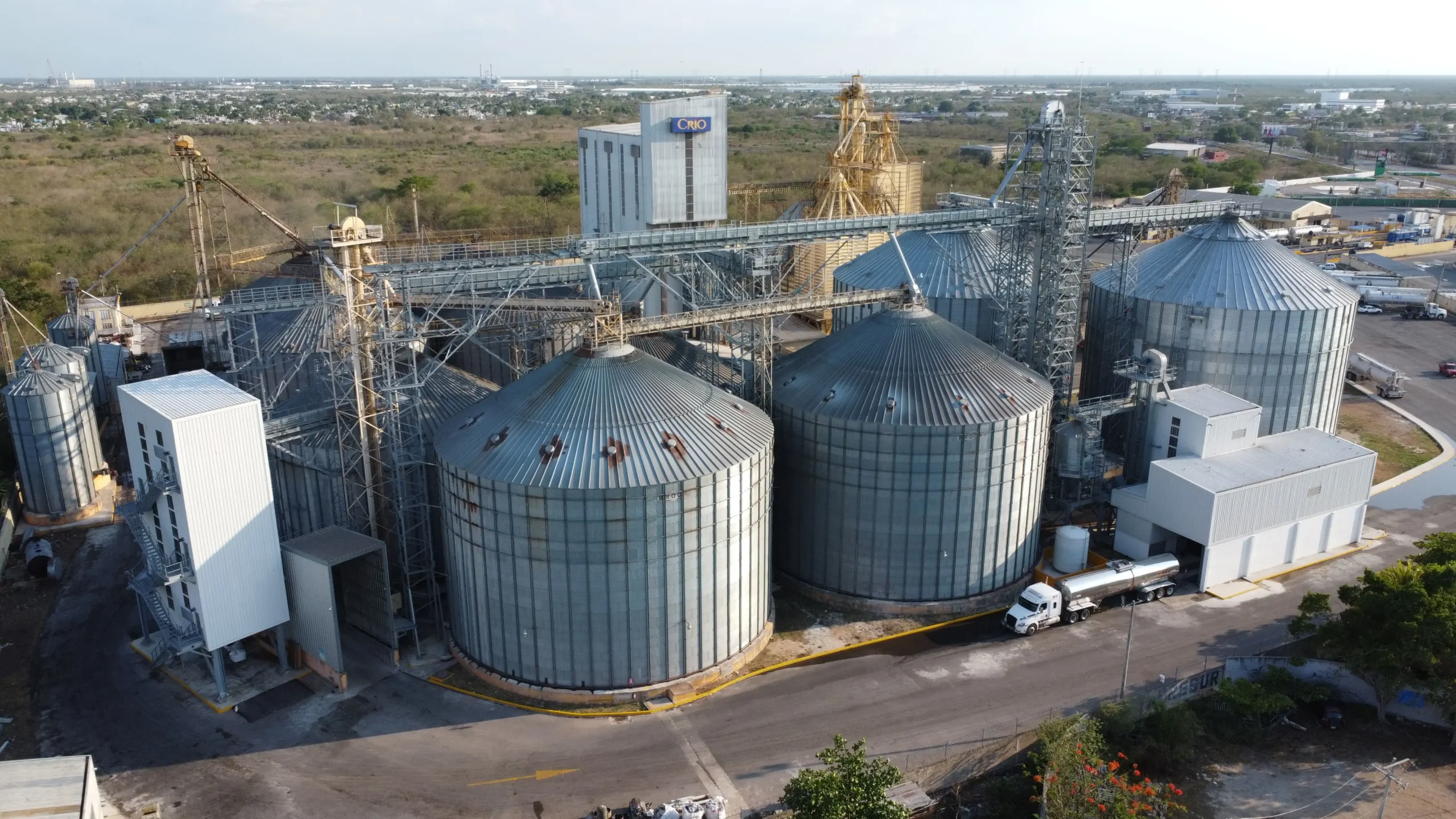
The Role of Modern Silos
Internal farm logistics have transformed the concept of storage. Silos are no longer mere sheet metal warehouses; they have become data centers. The implementation of exclusive silos per house, integrated with automatic weighing and telemetry systems, allows constant monitoring of inventory and poultry consumption behavior. This information, accessible from mobile devices, allows immediate detection of sanitary deviations or handling failures, closing the control cycle that begins at the processing plant.
Final reflection
The evolution of poultry farming, from the artisanal methods of the 1980s to the digital precision of 2026, is testament to an unprecedented ability to adapt. For Dr. Amir H. Nilipour, with more than five decades of experience, this industry has been more than a profession: it has been the opportunity to merge science and discipline to improve global productivity.
The move from simple milling to full automation demonstrates that success is not a matter of chance, but of clear goals. As Dr. Nilipour points out, at 70 years old, shared knowledge is the best legacy. To have been part of this technological transformation - from the first horizontal mixers to advanced pelletizing - is an honor that reflects our ability to evolve and survive in an ever-changing market.